Athleisure: Why This Style Continues to Thrive Between Fashion, Comfort, and Performance
12 de June de 2026 • Texneo • Tendências
Understand why Athleisure remains a strong trend and how to choose the right fabrics to create comfortable, versatile, and commercially successful collections.
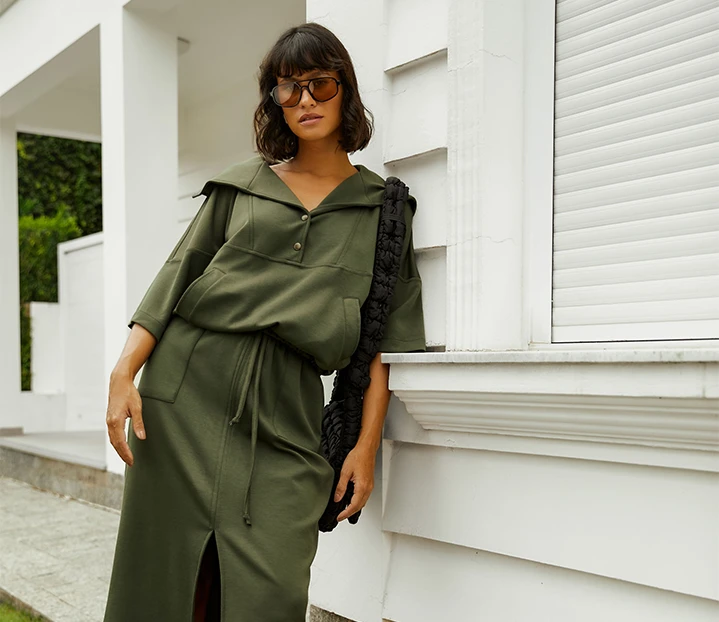
Athleisure has evolved from being merely a behavioral trend into a direct response to the way people live, work, exercise, and consume fashion. Positioned between sportswear and everyday wear, it reflects the growing demand for garments that adapt to different moments of the day without sacrificing aesthetics, functionality, or well-being.
For brands and manufacturers, this movement represents a real strategic opportunity. The challenge is not simply creating garments inspired by sportswear, but ensuring that the fabric supports this hybrid concept with the same technical quality expected from activewear and the same versatility found in casual apparel.
Within this scenario, fabric selection plays a decisive role. A collection aligned with the athleisure concept requires fabrics that support the garment's purpose, enhance the fit, and provide a user experience consistent with consumers' expectations.
Athleisure combines elements from the sportswear universe with casual fashion codes. In practice, this means incorporating attributes such as elasticity, breathability, thermal comfort, support, and freedom of movement into garments that also perform well outside workout environments.
This crossover has gained strength because it reflects real behavioral changes. Hybrid work routines, a stronger focus on well-being, and the search for practicality have transformed the way people dress. Consumers now seek more adaptable products that transition seamlessly between the gym, work, commuting, and leisure without feeling out of place.
The result is a category that depends not only on a sporty aesthetic but also on a practical usage logic: buying better, wearing more often, and building combinations with greater longevity within a brand’s portfolio.
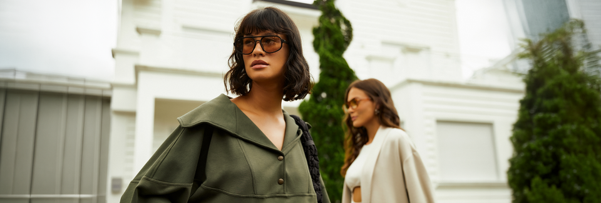
Casual sportswear remains relevant because it is rooted in lasting needs. Comfort, mobility, practicality, and versatility are not temporary desires; they have become increasingly important purchasing criteria across different consumer profiles.
Furthermore, the athleisure trend aligns with the growth of wellness, self-care, and active lifestyle habits. Even when garments are not used for exercise, they convey an active, lightweight, and functional aesthetic that appeals to a broad audience across different ages and lifestyles.
This behavior also strengthens the casual fitness fashion segment, where raw material performance must be present without compromising the garment’s visual appeal. The result is a product that combines technical construction, commercial appeal, and ease of use.
For manufacturers, this opens an efficient path: versatile fabrics make it possible to develop multiple styles from the same raw material, creating visual consistency and reducing less strategic decisions during product development.
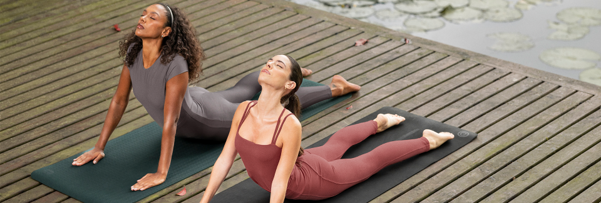
Tops, leggings, shorts, lightweight jackets, jumpsuits, and shirts can be designed for training but also styled for urban looks, layering, and sports-inspired lifestyle outfits. The same fabric base can support different applications when properly selected.
At the intersection of fitness, casualwear, and wellness, athleisure gains strength because it creates a bridge between behavior and product. It transforms consumers' interest in well-being, mobility, and movement into garments with real commercial appeal.
This value is built through the combination of design and raw materials. A well-developed fit loses strength if the fabric does not move naturally, marks excessively, retains too much heat, or fails to provide adequate coverage. Likewise, even the best fabric must be applied intelligently to generate consumer desire.
For this reason, brands aiming to compete in this space must view collections holistically. Trends, fabrics, fit, color, print, and communication should all support the same promise of experience, mobility, and confidence.
In athleisure, perceived value lies precisely in this complete delivery. The garment must communicate style while also providing comfort and performance against the skin.
The selection of the fabric base is where the development of a casual sportswear collection can either advance or stall. The fabric must support a hybrid purpose: performing well in active garments while also meeting the aesthetic and tactile expectations of casual products.
Among the most important technical attributes for this type of collection are:
When the raw material aligns with the collection's concept, brands gain greater consistency during development and stronger arguments for positioning products with higher perceived value.
A key consideration in casual sportswear development is balancing technical performance with lifestyle positioning. Fabrics with high-performance characteristics must be applied strategically when the proposal is casual. For example, a highly compressive fabric may reduce the perception of versatility.
Likewise, a fabric that is too lightweight or lacks structure may fail to deliver the quality perception expected from garments inspired by activewear. Achieving balance starts with correctly interpreting the target segment—and that begins with fabric selection before fit development.
The collections with the strongest commercial potential are those that combine functionality and desirability while supporting multiple uses within the consumer's wardrobe. A matching set may work for a Pilates class and an urban commute. A lightweight jacket can complement sportswear styling while also functioning as a layering piece for casual outfits.
Some combinations that perform particularly well in this category include:
This approach increases product turnover potential because consumers can envision more opportunities for use. The clearer this versatility becomes, the greater the perceived value of the collection.
Casual sportswear enables brands to increase their presence in consumers' wardrobes. It appeals to people seeking everyday products while still valuing comfort, mobility, and an aesthetic connected to active lifestyles.
This opportunity requires careful attention to raw materials. Casual garments with sportswear influences cannot sacrifice comfort during prolonged wear, nor can they appear overly technical when the intended application is urban. The balance lies in choosing fabrics that deliver performance in a subtle and pleasant way.
For manufacturers, this can also improve efficiency. By working with versatile fabric bases, it becomes possible to develop multiple styles from the same raw material, creating visual consistency and simplifying collection decisions.
Athleisure strengthens this opportunity because it connects sportswear with real consumption occasions. This expands product reach and allows brands to build more flexible collections.
Fitness fashion continues moving toward more hybrid products featuring strategic colors, intelligent paneling, differentiated surfaces, and stronger connections with well-being. Collection development should go beyond simply reproducing traditional activewear pieces.
There is room to explore textures, ribbed constructions, prints, sophisticated hand-feel fabrics, and proposals that connect performance with lifestyle. Hybrid collections make it possible to reach different customer profiles: the same inspiration can generate training, casual, wellness, and beachwear products, provided the selected fabric supports each application.
At Texneo, follows international market trends and translates them into color, print, and fabric development resources, helping collections achieve visual and commercial consistency from the start of the project.
Texneo views fabric as the starting point for more competitive, comfortable, and market-oriented collections. In a landscape where fashion, wellness, and performance move together, choosing the right fabric base is a strategic decision for transforming trends into products.
With solutions for fitness, casualwear, wellness, yoga, Pilates, beachwear, kidswear, and youth fashion, Texneo supports brands and manufacturers in developing garments that combine comfort, mobility, softness, coverage, elasticity, drape, and durability.
In addition to technological fabrics, Texneo provides expertise in digital printing, color direction, and trend research, helping each collection achieve visual and commercial consistency. This makes a difference for brands that need to create desirable, functional products aligned with consumer behavior.
For athleisure collections, this combination is especially important. Brands need materials that move with the body, enhance garment fit, and support a hybrid purpose between active and everyday wear.
By selecting fabrics specifically designed for athleisure, manufacturers gain more certainty during product development and stronger positioning arguments. The raw material reinforces the promise of comfort, performance, and versatility that defines this style.
Texneo contributes to this process with solutions that help brands transform athleisure into products with greater perceived value. From fabric selection to color and print definition, every decision can make a collection more aligned with market expectations.
Explore Texneo Fabrics and discover how to transform consumer trends into collections with greater perceived value.
Athleisure remains relevant because it responds to a genuine shift in the way people dress. Consumers want functional, well-crafted, comfortable, and versatile garments capable of adapting naturally to different moments of the day.
For brands and manufacturers, athleisure represents an opportunity to create collections that are more connected to today’s consumer. However, for the concept to succeed, raw material selection must be at the center of development rather than treated as an afterthought once the design is finalized.
With fabrics developed for Sportswear, Lifewear, Beachwear, and Underwear, consultative technical support, and expertise in digital printing and color development, Texneo helps transform behavior into products, and products into user experiences with greater perceived value.
Explore Texneo fabrics and discover which fabric base is the best fit for the project you are developing.
For brands and manufacturers, this movement represents a real strategic opportunity. The challenge is not simply creating garments inspired by sportswear, but ensuring that the fabric supports this hybrid concept with the same technical quality expected from activewear and the same versatility found in casual apparel.
Within this scenario, fabric selection plays a decisive role. A collection aligned with the athleisure concept requires fabrics that support the garment's purpose, enhance the fit, and provide a user experience consistent with consumers' expectations.
What Is Athleisure and Why Has It Gained Space in Fashion?
Athleisure combines elements from the sportswear universe with casual fashion codes. In practice, this means incorporating attributes such as elasticity, breathability, thermal comfort, support, and freedom of movement into garments that also perform well outside workout environments.
This crossover has gained strength because it reflects real behavioral changes. Hybrid work routines, a stronger focus on well-being, and the search for practicality have transformed the way people dress. Consumers now seek more adaptable products that transition seamlessly between the gym, work, commuting, and leisure without feeling out of place.
The result is a category that depends not only on a sporty aesthetic but also on a practical usage logic: buying better, wearing more often, and building combinations with greater longevity within a brand’s portfolio.
Why Is Athleisure More Than a Passing Trend?
Casual sportswear remains relevant because it is rooted in lasting needs. Comfort, mobility, practicality, and versatility are not temporary desires; they have become increasingly important purchasing criteria across different consumer profiles.
Furthermore, the athleisure trend aligns with the growth of wellness, self-care, and active lifestyle habits. Even when garments are not used for exercise, they convey an active, lightweight, and functional aesthetic that appeals to a broad audience across different ages and lifestyles.
This behavior also strengthens the casual fitness fashion segment, where raw material performance must be present without compromising the garment’s visual appeal. The result is a product that combines technical construction, commercial appeal, and ease of use.
For manufacturers, this opens an efficient path: versatile fabrics make it possible to develop multiple styles from the same raw material, creating visual consistency and reducing less strategic decisions during product development.
The Relationship Between Athleisure, Wellness, and Lifewear
Today's fitness fashion is no longer limited to gym environments. Many elements of this segment extend into lifewear, wellness, and beachwear collections, creating opportunities for brands that work with technological fabrics.Tops, leggings, shorts, lightweight jackets, jumpsuits, and shirts can be designed for training but also styled for urban looks, layering, and sports-inspired lifestyle outfits. The same fabric base can support different applications when properly selected.
At the intersection of fitness, casualwear, and wellness, athleisure gains strength because it creates a bridge between behavior and product. It transforms consumers' interest in well-being, mobility, and movement into garments with real commercial appeal.
Athleisure and Perceived Product Value
This category increases perceived value when a garment delivers more than appearance. For consumers, a versatile, comfortable, and durable product better justifies the purchase, especially when it can be worn in multiple situations throughout the week.This value is built through the combination of design and raw materials. A well-developed fit loses strength if the fabric does not move naturally, marks excessively, retains too much heat, or fails to provide adequate coverage. Likewise, even the best fabric must be applied intelligently to generate consumer desire.
For this reason, brands aiming to compete in this space must view collections holistically. Trends, fabrics, fit, color, print, and communication should all support the same promise of experience, mobility, and confidence.
In athleisure, perceived value lies precisely in this complete delivery. The garment must communicate style while also providing comfort and performance against the skin.
Athleisure Fabrics: What Should Be Considered During Development?
The selection of the fabric base is where the development of a casual sportswear collection can either advance or stall. The fabric must support a hybrid purpose: performing well in active garments while also meeting the aesthetic and tactile expectations of casual products.
Among the most important technical attributes for this type of collection are:
- Appropriate stretch and recovery
- Reliable coverage for confidence while wearing
- Comfortable hand feel against the skin
- Breathability for thermal comfort
- Suitable drape for the intended silhouette
- Durability to preserve the garment over time
- Versatility across different product categories
When the raw material aligns with the collection's concept, brands gain greater consistency during development and stronger arguments for positioning products with higher perceived value.
The Balance Between Technical Performance and Casual Appeal
A key consideration in casual sportswear development is balancing technical performance with lifestyle positioning. Fabrics with high-performance characteristics must be applied strategically when the proposal is casual. For example, a highly compressive fabric may reduce the perception of versatility.
Likewise, a fabric that is too lightweight or lacks structure may fail to deliver the quality perception expected from garments inspired by activewear. Achieving balance starts with correctly interpreting the target segment—and that begins with fabric selection before fit development.
How to Create Athleisure Collections with Greater Commercial Appeal
The collections with the strongest commercial potential are those that combine functionality and desirability while supporting multiple uses within the consumer's wardrobe. A matching set may work for a Pilates class and an urban commute. A lightweight jacket can complement sportswear styling while also functioning as a layering piece for casual outfits.
Some combinations that perform particularly well in this category include:
- Leggings with tops and lightweight layering pieces
- Shorts with soft-touch tops
- Sport-inspired dresses
- Comfortable pants with a more urban finish
- Bodysuits and jumpsuits for versatile styling
- Prints and colors aligned with the brand identity
This approach increases product turnover potential because consumers can envision more opportunities for use. The clearer this versatility becomes, the greater the perceived value of the collection.
Casual Sportswear: An Opportunity for Brands and Manufacturers
Casual sportswear enables brands to increase their presence in consumers' wardrobes. It appeals to people seeking everyday products while still valuing comfort, mobility, and an aesthetic connected to active lifestyles.
This opportunity requires careful attention to raw materials. Casual garments with sportswear influences cannot sacrifice comfort during prolonged wear, nor can they appear overly technical when the intended application is urban. The balance lies in choosing fabrics that deliver performance in a subtle and pleasant way.
For manufacturers, this can also improve efficiency. By working with versatile fabric bases, it becomes possible to develop multiple styles from the same raw material, creating visual consistency and simplifying collection decisions.
Athleisure strengthens this opportunity because it connects sportswear with real consumption occasions. This expands product reach and allows brands to build more flexible collections.
Fitness Fashion Trends and New Collection Opportunities
Fitness fashion continues moving toward more hybrid products featuring strategic colors, intelligent paneling, differentiated surfaces, and stronger connections with well-being. Collection development should go beyond simply reproducing traditional activewear pieces.
There is room to explore textures, ribbed constructions, prints, sophisticated hand-feel fabrics, and proposals that connect performance with lifestyle. Hybrid collections make it possible to reach different customer profiles: the same inspiration can generate training, casual, wellness, and beachwear products, provided the selected fabric supports each application.
At Texneo, follows international market trends and translates them into color, print, and fabric development resources, helping collections achieve visual and commercial consistency from the start of the project.
Texneo’s Role in Developing Athleisure Collections
Texneo views fabric as the starting point for more competitive, comfortable, and market-oriented collections. In a landscape where fashion, wellness, and performance move together, choosing the right fabric base is a strategic decision for transforming trends into products.
With solutions for fitness, casualwear, wellness, yoga, Pilates, beachwear, kidswear, and youth fashion, Texneo supports brands and manufacturers in developing garments that combine comfort, mobility, softness, coverage, elasticity, drape, and durability.
In addition to technological fabrics, Texneo provides expertise in digital printing, color direction, and trend research, helping each collection achieve visual and commercial consistency. This makes a difference for brands that need to create desirable, functional products aligned with consumer behavior.
For athleisure collections, this combination is especially important. Brands need materials that move with the body, enhance garment fit, and support a hybrid purpose between active and everyday wear.
By selecting fabrics specifically designed for athleisure, manufacturers gain more certainty during product development and stronger positioning arguments. The raw material reinforces the promise of comfort, performance, and versatility that defines this style.
Texneo contributes to this process with solutions that help brands transform athleisure into products with greater perceived value. From fabric selection to color and print definition, every decision can make a collection more aligned with market expectations.
Explore Texneo Fabrics and discover how to transform consumer trends into collections with greater perceived value.
A Style That Reflects Real Life
Athleisure remains relevant because it responds to a genuine shift in the way people dress. Consumers want functional, well-crafted, comfortable, and versatile garments capable of adapting naturally to different moments of the day.
For brands and manufacturers, athleisure represents an opportunity to create collections that are more connected to today’s consumer. However, for the concept to succeed, raw material selection must be at the center of development rather than treated as an afterthought once the design is finalized.
With fabrics developed for Sportswear, Lifewear, Beachwear, and Underwear, consultative technical support, and expertise in digital printing and color development, Texneo helps transform behavior into products, and products into user experiences with greater perceived value.
Explore Texneo fabrics and discover which fabric base is the best fit for the project you are developing.
 Go back