Recycled Polyester: What It Is, How It Works, and Why This PET Bottle-Based Material Is Transforming Sportswear and Beachwear
22 de July de 2026 • Texneo • Tendências
Understand how recycled polyester made from PET bottles helps brands create sportswear and beachwear collections with technology and sustainability.
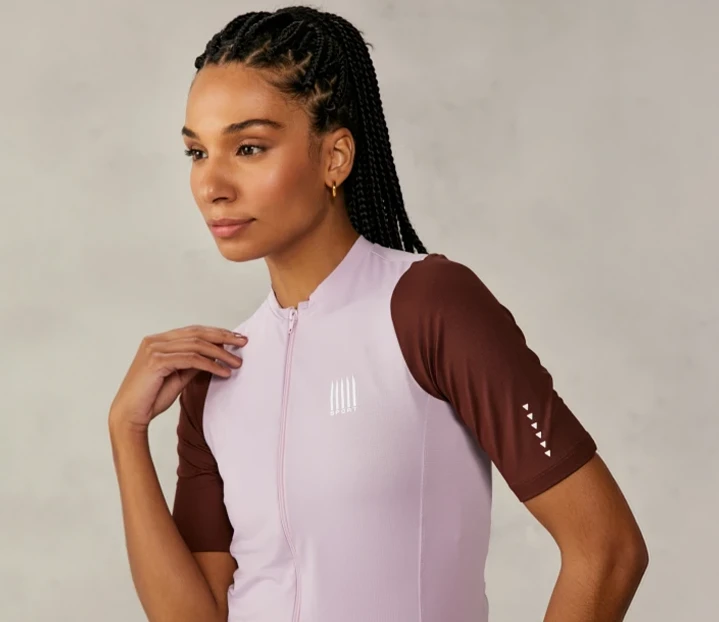
Recycled polyester is a fiber produced from reclaimed waste materials, such as post-consumer PET bottles, which undergo collection, sorting, cleaning, conversion into chips, extrusion, and spinning. In fashion, it enables the development of fabrics that deliver performance, comfort, and reduced dependence on virgin raw materials.
The search for more responsible materials is no longer limited to niche markets. Today, sportswear, beachwear, and casualwear brands need to consider product development, performance, aesthetics, and impact simultaneously.
In this context, recycled polyester has gained relevance as an important alternative for collections that combine textile technology with a sustainable positioning. It allows waste materials to be repurposed into fabric bases while meeting the expectations of consumers who are increasingly attentive to the origins of materials.
For product developers, the conversation goes beyond communication. The central question is: how can a raw-material choice be transformed into perceived value, durability, comfort, and brand consistency?

Production begins with PET bottle recycling. After use, bottles are collected, sorted by type and color, cleaned, and processed into small fragments known as chips.
These chips undergo industrial processes that convert the material back into polymer. From there, it can be extruded, transformed into filaments, and used to manufacture yarns for different fabric constructions.
In practice, recycled polyester follows a circular logic: waste that could otherwise be discarded gains a new purpose within the textile supply chain. This is one of the reasons why it has become so relevant for brands seeking materials with a clearer environmental narrative.
The result can be a PET bottle-based fabric with the hand feel, drape, stretch, and performance required for a collection, depending on the fabric engineering, construction, and finishing processes applied.

In high-performance segments, fiber selection must be aligned with the garment’s real-world use. Sportswear, beachwear, and summer apparel are exposed to movement, perspiration, frequent washing, sun exposure, and outdoor environments.
In sustainable sportswear, recycled polyester helps combine functionality and responsibility. It can be used in fabrics that offer quick drying, comfort, durability, and versatility for tops, T-shirts, leggings, shorts, and training garments.
In sustainable beachwear, the logic is similar. Collections must be visually appealing while also delivering comfort, durability, and suitability for products that transition between the beach, pool, travel, and lifestyle environments.
Consumers are also paying closer attention to the story behind a garment. When a brand explains the origin of its raw materials, the technologies involved, and the care taken during development, sustainable fabrics become more than a marketing message—they become part of the product experience.
If your brand is planning a performance-focused collection, consider how raw-material selection can reinforce technology, comfort, and a sustainability narrative.

A recycled material should not be selected simply because it appears more sustainable from a communication standpoint. It must make sense for the application, the user’s routine, and the collection’s positioning.
When properly developed, a recycled fabric can help brands:
It is also important to remember that sustainability and performance do not need to exist separately. A sustainable fabric can be engineered for intensive use, pleasant hand feel, excellent drape, and technologies that enhance the wearing experience.
For fashion brands, this creates an opportunity to transform a technical decision into a commercial, educational, and strategic argument.
Comparing materials helps design, product, and marketing teams better understand the implications of each option. The goal is not to oversimplify the choice, but rather to illustrate how each material is positioned within textile development.
When a brand chooses a recycled polyester fabric, it is not simply replacing one raw material with another. It is creating a bridge between technical development, communication, and consumer expectations.
Even so, the decision must be made carefully. Materials should be evaluated according to hand feel, weight, stretch, coverage, stability, dyeing performance, finishing, and suitability for the intended application.
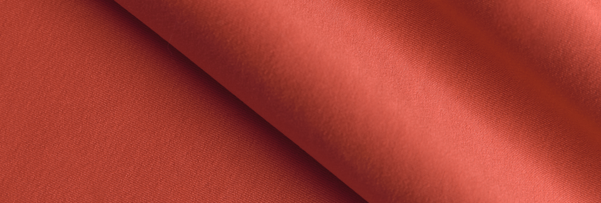
Sportswear fabrics require excellent movement response, comfort during wear, and shape retention after repeated washing. As a result, development should consider stretch, recovery, breathability, and hand feel.
Training fabrics can be engineered to support quick drying, lightweight performance, and freedom of movement. Beachwear fabrics may prioritize comfort, coverage, durability, and performance when exposed to sun, water, and frequent use.
In casualwear, the material may be used in T-shirts, dresses, lightweight pieces, layering garments, and lifestyle products. In these applications, aesthetics become increasingly important, but practicality remains essential.
This demonstrates that sustainable polyester does not need to be limited to a single category. It can participate in complete collections ranging from highly technical products to garments focused on image, comfort, and versatility.
At Texneo, Power Flex Green demonstrates this potential. It is a microfilament recycled polyester fabric made from PET bottles, with a weight of 200 g/m² and featuring Dry, UV50+ Protection, and Antimicrobial technologies.
These features help connect sustainability and performance. Dry technology supports moisture management, UV50+ Protection adds value to garments exposed to sunlight, and the antimicrobial finish contributes to freshness and comfort.
Explore Texneo solutions designed to transform raw materials, technology, and design into products aligned with consumer behavior.
TexneoGreen represents a development initiative focused on textile solutions with lower environmental impact and a stronger connection to responsible resource use. Within this approach, recycled materials gain relevance by linking innovation, traceability, and product development.
The RCS (Recycled Claim Standard) certification is an important benchmark because it establishes criteria for third-party verification of recycled materials and chain of custody.
For brands, certifications like RCS help strengthen sustainability messaging. They reduce vague claims and increase trust among suppliers, brands, and consumers.
Other innovation pathways are also worth considering, such as recycled polyamide, which can support projects focused on stretch, comfort, and performance. The ideal choice depends on the intended application, collection objectives, and desired attributes.
For this reason, communication should avoid overly broad statements. Rather than simply describing a garment as “green” or “conscious,” brands can explain the fiber’s origin, the recycling process, technical attributes, and care instructions.
Effective messaging can answer questions such as:
Recycled polyester is a textile fiber produced from reclaimed waste materials such as PET bottles. These materials undergo recycling and transformation processes before becoming yarns suitable for fabrics and knits.
The main advantages include waste reuse, reduced dependence on virgin raw materials, a clearer sustainability narrative, and the possibility of creating fabrics with performance, comfort, and functional technologies.
It can be applied in sportswear, beachwear, casualwear, uniforms, promotional apparel, and lifestyle products. Applications depend on fabric construction and the technologies incorporated into the material.
Yes, it can maintain excellent durability when the fabric is properly developed and used according to its intended purpose. Performance depends on yarn quality, fabric construction, finishing processes, and garment care.
Recycled materials have become increasingly important because they help brands connect innovation, responsibility, and consumer demand. However, their real value emerges when a technical choice becomes a well-developed product.
For sportswear and beachwear brands, this means creating garments that deliver comfort, performance, aesthetics, and a compelling story. Fiber origin matters, but the final experience must also fulfill its promise.
Texneo supports this movement by offering solutions that connect textile technology, fabric development, and applications for different markets.
Talk to Texneo about developing collections with recycled materials, applied technology, and solutions designed for sportswear, beachwear, and casualwear.
The search for more responsible materials is no longer limited to niche markets. Today, sportswear, beachwear, and casualwear brands need to consider product development, performance, aesthetics, and impact simultaneously.
In this context, recycled polyester has gained relevance as an important alternative for collections that combine textile technology with a sustainable positioning. It allows waste materials to be repurposed into fabric bases while meeting the expectations of consumers who are increasingly attentive to the origins of materials.
For product developers, the conversation goes beyond communication. The central question is: how can a raw-material choice be transformed into perceived value, durability, comfort, and brand consistency?
How Is Recycled Polyester Made from PET Bottles?
Production begins with PET bottle recycling. After use, bottles are collected, sorted by type and color, cleaned, and processed into small fragments known as chips.
These chips undergo industrial processes that convert the material back into polymer. From there, it can be extruded, transformed into filaments, and used to manufacture yarns for different fabric constructions.
In practice, recycled polyester follows a circular logic: waste that could otherwise be discarded gains a new purpose within the textile supply chain. This is one of the reasons why it has become so relevant for brands seeking materials with a clearer environmental narrative.
The result can be a PET bottle-based fabric with the hand feel, drape, stretch, and performance required for a collection, depending on the fabric engineering, construction, and finishing processes applied.
Why Does Recycled Polyester Make Sense for Sportswear and Beachwear?
In high-performance segments, fiber selection must be aligned with the garment’s real-world use. Sportswear, beachwear, and summer apparel are exposed to movement, perspiration, frequent washing, sun exposure, and outdoor environments.
In sustainable sportswear, recycled polyester helps combine functionality and responsibility. It can be used in fabrics that offer quick drying, comfort, durability, and versatility for tops, T-shirts, leggings, shorts, and training garments.
In sustainable beachwear, the logic is similar. Collections must be visually appealing while also delivering comfort, durability, and suitability for products that transition between the beach, pool, travel, and lifestyle environments.
Consumers are also paying closer attention to the story behind a garment. When a brand explains the origin of its raw materials, the technologies involved, and the care taken during development, sustainable fabrics become more than a marketing message—they become part of the product experience.
If your brand is planning a performance-focused collection, consider how raw-material selection can reinforce technology, comfort, and a sustainability narrative.
Benefits for Brands, Consumers, and Product Development
A recycled material should not be selected simply because it appears more sustainable from a communication standpoint. It must make sense for the application, the user’s routine, and the collection’s positioning.
When properly developed, a recycled fabric can help brands:
- Reduce dependence on virgin raw materials;
- Build a narrative more closely connected to sustainability initiatives;
- Deliver products with technical and visual appeal;
- Connect with consumers who value responsibility;
- Expand collections with eco-conscious fabric alternatives;
- Strengthen beachwear, fitness, and casualwear lines.
It is also important to remember that sustainability and performance do not need to exist separately. A sustainable fabric can be engineered for intensive use, pleasant hand feel, excellent drape, and technologies that enhance the wearing experience.
For fashion brands, this creates an opportunity to transform a technical decision into a commercial, educational, and strategic argument.
Recycled Polyester vs. Virgin Polyester: Key Differences
Comparing materials helps design, product, and marketing teams better understand the implications of each option. The goal is not to oversimplify the choice, but rather to illustrate how each material is positioned within textile development.
| Criteria | Recycled Version | Virgin Version |
|---|---|---|
| Origin | Reclaimed waste materials, such as PET bottles | New petrochemical-based raw materials |
| Storytelling | Connects product development, reuse, and sustainability | Greater emphasis on availability, standardization, and cost |
| Applications | Sportswear, beachwear, casualwear, and functional collections | Broad application across multiple categories |
| Brand Perception | Reinforces innovation and responsibility | May require other differentiation strategies |
| Performance | Depends on fabric construction, yarn, and finishing | Also depends on textile engineering and application |
When a brand chooses a recycled polyester fabric, it is not simply replacing one raw material with another. It is creating a bridge between technical development, communication, and consumer expectations.
Even so, the decision must be made carefully. Materials should be evaluated according to hand feel, weight, stretch, coverage, stability, dyeing performance, finishing, and suitability for the intended application.
Applications in Sportswear Fabrics, Beachwear, and Casualwear
Sportswear fabrics require excellent movement response, comfort during wear, and shape retention after repeated washing. As a result, development should consider stretch, recovery, breathability, and hand feel.
Training fabrics can be engineered to support quick drying, lightweight performance, and freedom of movement. Beachwear fabrics may prioritize comfort, coverage, durability, and performance when exposed to sun, water, and frequent use.
In casualwear, the material may be used in T-shirts, dresses, lightweight pieces, layering garments, and lifestyle products. In these applications, aesthetics become increasingly important, but practicality remains essential.
This demonstrates that sustainable polyester does not need to be limited to a single category. It can participate in complete collections ranging from highly technical products to garments focused on image, comfort, and versatility.
Power Flex Green: A Practical Example of Applied Technology
Textile application is where trends become products. That is why it is important to examine real fabric bases that demonstrate how recycled raw materials can reach the market with tangible benefits.At Texneo, Power Flex Green demonstrates this potential. It is a microfilament recycled polyester fabric made from PET bottles, with a weight of 200 g/m² and featuring Dry, UV50+ Protection, and Antimicrobial technologies.
These features help connect sustainability and performance. Dry technology supports moisture management, UV50+ Protection adds value to garments exposed to sunlight, and the antimicrobial finish contributes to freshness and comfort.
Explore Texneo solutions designed to transform raw materials, technology, and design into products aligned with consumer behavior.
TexneoGreen, RCS, and Practical Applications in the Textile Supply Chain
TexneoGreen represents a development initiative focused on textile solutions with lower environmental impact and a stronger connection to responsible resource use. Within this approach, recycled materials gain relevance by linking innovation, traceability, and product development.
The RCS (Recycled Claim Standard) certification is an important benchmark because it establishes criteria for third-party verification of recycled materials and chain of custody.
For brands, certifications like RCS help strengthen sustainability messaging. They reduce vague claims and increase trust among suppliers, brands, and consumers.
Other innovation pathways are also worth considering, such as recycled polyamide, which can support projects focused on stretch, comfort, and performance. The ideal choice depends on the intended application, collection objectives, and desired attributes.
How to Communicate Sustainable Fabrics Without Sounding Generic
Communicating sustainability requires clarity. Consumers may be interested in an environmental proposition, but they also want to understand what it changes in the product they purchase.For this reason, communication should avoid overly broad statements. Rather than simply describing a garment as “green” or “conscious,” brands can explain the fiber’s origin, the recycling process, technical attributes, and care instructions.
Effective messaging can answer questions such as:
- Where does the raw material come from?
- What waste material has been reused?
- Which technologies are incorporated into the fabric?
- What types of garments can use this fabric base?
- Which certifications support sustainability claims?
- How should consumers care for the garment?
FAQ About Recycled Materials in Fashion
What Is Recycled Polyester?
Recycled polyester is a textile fiber produced from reclaimed waste materials such as PET bottles. These materials undergo recycling and transformation processes before becoming yarns suitable for fabrics and knits.
How Is It Made from PET Bottles?
The process involves collection, sorting, cleaning, grinding, conversion into chips, extrusion, and spinning. The resulting yarns can then be used to manufacture fabrics for multiple fashion segments.
What Are the Main Advantages?
The main advantages include waste reuse, reduced dependence on virgin raw materials, a clearer sustainability narrative, and the possibility of creating fabrics with performance, comfort, and functional technologies.
Where Is This Material Used?
It can be applied in sportswear, beachwear, casualwear, uniforms, promotional apparel, and lifestyle products. Applications depend on fabric construction and the technologies incorporated into the material.
Does It Maintain Durability?
Yes, it can maintain excellent durability when the fabric is properly developed and used according to its intended purpose. Performance depends on yarn quality, fabric construction, finishing processes, and garment care.Sustainability Must Become a Product, Not Just a Message
Recycled materials have become increasingly important because they help brands connect innovation, responsibility, and consumer demand. However, their real value emerges when a technical choice becomes a well-developed product.
For sportswear and beachwear brands, this means creating garments that deliver comfort, performance, aesthetics, and a compelling story. Fiber origin matters, but the final experience must also fulfill its promise.
Texneo supports this movement by offering solutions that connect textile technology, fabric development, and applications for different markets.
Talk to Texneo about developing collections with recycled materials, applied technology, and solutions designed for sportswear, beachwear, and casualwear.
 Go back