Summer Fabrics: How to Choose the Right Base for Every Garment
13 de March de 2026 • Texneo • Beachwear
Learn how to choose summer fabrics with lightness, coverage, and quick-drying properties. Discover beachwear applications and explore Texneo solutions.
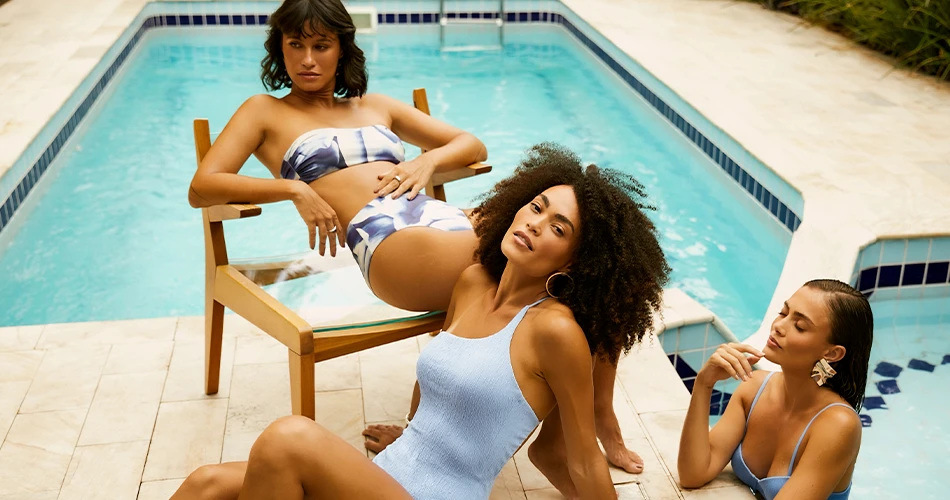
Choosing fabrics for summer goes far beyond simply selecting a lightweight fabric. In warm weather, everything becomes more noticeable, including skin feel, transparency, drape, stretch, and even how the garment performs after wear and washing. When it comes to collection development, these details move beyond personal preference and become technical criteria that impact patternmaking, performance, and perceived value.
In this article, you will learn how to choose summer fabrics in a practical way, considering application, comfort, and final results, and why this choice is directly related to how Texneo organizes its fabric bases by use, performance, and segment.
During the summer, comfort is the result of multiple factors. The thinnest garment is not always the best option. The ideal choice balances:
In summer collections, these requirements vary according to the type of garment. A training top, a bikini, and a lightweight dress may all appear to fit the summer category, but they demand different performance characteristics.
To choose the right base, start with the actual use scenario. Three questions can help guide the decision:
The answers help define the segment, whether sportswear, beachwear, or everyday wear. This is where selecting summer fabrics becomes more objective.
For daily wear garments, the focus may be on drape, lightness, durability, and ease of care. The fabric should fit well, avoid excessive marking, and maintain a refined appearance for longer.
In beachwear, comfort is only part of the equation. Specific requirements include UV protection, quick drying, durability, and reliable performance when exposed to water and heat.
In summer collections designed for beachwear, a lightweight feel is important, but it is not the only factor. What truly supports the real wearing experience is the combination of UV protection, durability, and practicality. Therefore, it is worth prioritizing bases that offer UV50+ protection for greater sun safety, along with technologies that improve garment resistance to common beachwear exposures such as chlorine and heat.
In addition, quick-drying performance and thermal comfort contribute significantly to both beach and post-beach routines, helping garments maintain comfort and performance even in hot environments.
If you need to make a quick decision—whether in styling, development, or sourcing—use this checklist:
This type of decision-making is what differentiates a “summer collection” from a collection that truly delivers a summer-ready wearing experience.
The demand for summer fabrics reflects a real need among brands and consumers for comfort, technology, and performance in warmer temperatures. This need aligns directly with Texneo’s approach to developing fabric bases organized by segment and application, serving categories such as beachwear, sportswear, and lifewear with a focus on performance and consistent results.
In practice, this means making it easier to choose the right base for every garment with solutions that balance hand feel, coverage, durability, and versatility, while incorporating technologies that enhance the wearing experience. If your collection calls for fabrics that deliver comfort and performance in warm weather, summer fabrics are a category where Texneo naturally fits.
In this article, you will learn how to choose summer fabrics in a practical way, considering application, comfort, and final results, and why this choice is directly related to how Texneo organizes its fabric bases by use, performance, and segment.
What Defines Good Summer Fabrics?
During the summer, comfort is the result of multiple factors. The thinnest garment is not always the best option. The ideal choice balances:
- Lightweight construction with coverage: reducing weight without compromising visual confidence;
- Stretch and recovery: allowing freedom of movement without losing its shape over time;
- Breathability and heat exchange: delivering a cooler feeling during wear;
- Quick drying and practicality: important for beachwear, travel, and everyday use;
- Durability and dimensional stability: maintaining shape and drape after washing.
In summer collections, these requirements vary according to the type of garment. A training top, a bikini, and a lightweight dress may all appear to fit the summer category, but they demand different performance characteristics.
How Application Changes Fabric Selection
To choose the right base, start with the actual use scenario. Three questions can help guide the decision:
- Will it be exposed to water, sun, and salt?
- Does the garment need to support high- or low-impact activities?
- Is the goal a polished and versatile everyday look?
The answers help define the segment, whether sportswear, beachwear, or everyday wear. This is where selecting summer fabrics becomes more objective.
Summer and Training
For garments designed for higher-intensity activities such as training, running, and cycling, factors such as stretch, recovery, thermal comfort, hand feel, and coverage become essential. The fabric must move with the body confidently while maintaining its appearance throughout wear.
Summer and Everyday Wear
For daily wear garments, the focus may be on drape, lightness, durability, and ease of care. The fabric should fit well, avoid excessive marking, and maintain a refined appearance for longer.
Summer and Beachwear
In beachwear, comfort is only part of the equation. Specific requirements include UV protection, quick drying, durability, and reliable performance when exposed to water and heat.Technologies for Beachwear: Protection, Durability, and Quick Drying
In summer collections designed for beachwear, a lightweight feel is important, but it is not the only factor. What truly supports the real wearing experience is the combination of UV protection, durability, and practicality. Therefore, it is worth prioritizing bases that offer UV50+ protection for greater sun safety, along with technologies that improve garment resistance to common beachwear exposures such as chlorine and heat.
In addition, quick-drying performance and thermal comfort contribute significantly to both beach and post-beach routines, helping garments maintain comfort and performance even in hot environments.
Practical Tips for Choosing Summer Fabrics with Confidence
If you need to make a quick decision—whether in styling, development, or sourcing—use this checklist:
- Define the garment’s primary use: training, beach, or everyday wear;
- Validate coverage, especially for light colors and fitted garments;
- Check stretch and recovery to avoid bagging throughout the day;
- Evaluate hand feel and thermal sensation, since what feels lightweight on the table may not feel lightweight on the skin;
- Consider garment care and how it performs after washing;
- Think of the collection as a system, as the best results may come from combining different bases for linings, details, and panel constructions.
This type of decision-making is what differentiates a “summer collection” from a collection that truly delivers a summer-ready wearing experience.
The demand for summer fabrics reflects a real need among brands and consumers for comfort, technology, and performance in warmer temperatures. This need aligns directly with Texneo’s approach to developing fabric bases organized by segment and application, serving categories such as beachwear, sportswear, and lifewear with a focus on performance and consistent results.
In practice, this means making it easier to choose the right base for every garment with solutions that balance hand feel, coverage, durability, and versatility, while incorporating technologies that enhance the wearing experience. If your collection calls for fabrics that deliver comfort and performance in warm weather, summer fabrics are a category where Texneo naturally fits.
 Go back