Thermal Comfort in Fabrics: How to Choose the Right Fabric for Sportswear, Lifewear, and Beachwear
19 de August de 2026 • Texneo • Lifewear
Choose fabrics with thermal comfort to elevate sportswear, lifewear, and beachwear through technology, breathability, and a superior feel.
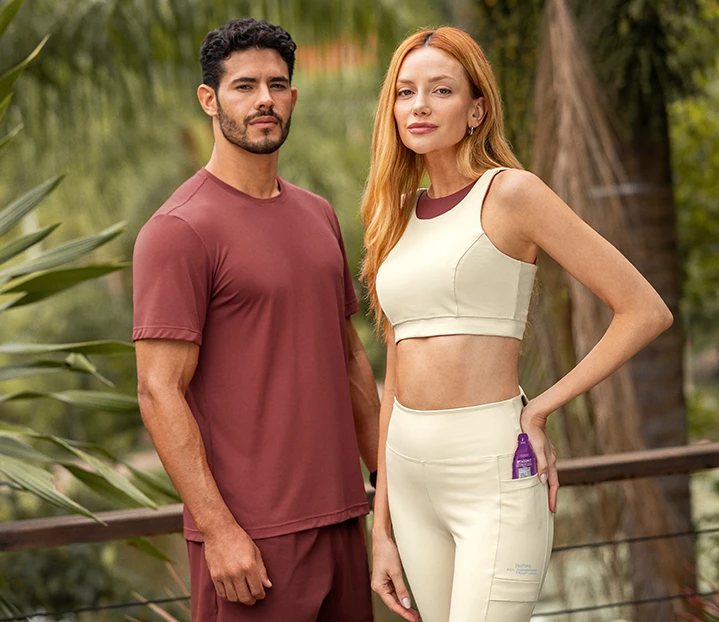
Thermal comfort in fabrics is the ability of a fabric to help the body maintain a pleasant sensation during wear by balancing breathability, moisture evaporation, hand feel, elasticity, and textile construction. For sportswear, lifewear, and beachwear brands, this attribute directly influences the perception of quality, performance, and well-being in the finished garment.
Choosing a fabric for a collection goes beyond deciding on color, weight, or composition. In segments associated with movement, heat, daily routines, and direct skin contact, a fabric’s thermal performance can determine whether a garment is perceived as comfortable or uncomfortable.
That is why thermal comfort should be part of the technical brief from the very beginning. It helps guide decisions regarding performance fabrics, finishes, hand feel, breathability, elastane content, quick-drying properties, and intended use.
In practice, a fitness garment must handle sweat and movement. A lifewear piece needs to move comfortably with the body for hours. In beachwear, the fabric must perform under sun, water, heat, and friction.
Thermal comfort in fabrics is the sensation of balance between the body, clothing, and environment. It occurs when a garment helps reduce discomforts such as excessive heat, stuffiness, accumulated moisture, rough hand feel, or stiffness.
From a technical perspective, this performance is related to factors such as breathability, moisture management, sweat evaporation, quick drying, hand feel, elasticity, and fabric structure.
Textile studies on thermoregulation indicate that garments influence the microclimate between the skin and the environment by regulating heat transfer pathways such as conduction, convection, radiation, and evaporation. Therefore, the fabric does not act alone but as part of a system involving the body, the use scenario, and the environment.
For brands, this means that fabric selection must consider the actual usage situation. A garment intended for intense training does not require the same criteria as one designed for post-workout, wellness, or beachwear.

Thermal comfort matters because it affects the consumer’s experience. When a garment becomes too hot, retains sweat, or restricts movement, the perception of quality decreases, even if the fit and aesthetics are appealing.
In sportswear, performance fabrics must support physical effort, perspiration, and repetitive movement. In lifewear, the priority is long-lasting comfort, a soft hand feel, and versatility. In beachwear, the fabric must balance lightness, elasticity, drying performance, and durability in warm environments.
This topic also aligns with a broader consumer trend: more comfortable, versatile, and technical garments are increasingly worn for different occasions throughout the day, not just for workouts.
Recent reports on dressing for warm weather have highlighted the growing use of breathable constructions, moisture-management properties, and quick-drying fabrics in sportswear, underwear, sleepwear, and everyday apparel.
Therefore, developing a collection with performance fabrics is not simply a product decision. It is also a positioning strategy.
Textile technology helps transform comfort into a measurable and applicable product attribute. Instead of relying solely on subjective perceptions, brands can evaluate tangible fabric characteristics.
A breathable fabric, for example, promotes air circulation and reduces the feeling of stuffiness. A fabric with effective moisture management helps move sweat away from the skin and accelerates evaporation.
Research on moisture management in textiles shows that rapid evaporation and efficient moisture transport play key roles in heat dissipation and cooling sensation during use.
It is also important to remember that moisture changes fabric behavior. Studies on thermal properties in textiles reveal significant differences between dry and wet samples, reinforcing the importance of evaluating materials under conditions that closely resemble real use.
Evaluate whether the fabric offers:
This type of analysis reduces development rework and helps align aesthetics, performance, and user experience.

In fitness apparel, the primary requirement is to combine movement, breathability, and support. Leggings, sports bras, shorts, T-shirts, and tank tops must support training sessions without causing excessive heat, transparency issues, or a heavy fabric sensation.
For activewear fabrics, the ideal option is to seek bases with good elasticity, coverage, recovery, and moisture management. Fabrics containing elastane help support stretching, strength training, running, yoga, and Pilates movements.
In this context, fabric selection should consider:
A great example within the Texneo portfolio is Dry Sport, a polyester fabric with an interlock structure that combines comfort, practicality, a pleasant hand feel, quick drying, and UV50+ Protection.
For brands developing T-shirts, tank tops, and upper-body training garments, quick-drying fabrics with a comfortable feel help enhance the perception of performance without making the product excessively technical or rigid.
In wellness and lifewear, the focus shifts. A garment may have athletic origins, but it must also perform beyond workouts. It accompanies commutes, home office routines, post-workout activities, travel, self-care moments, and relaxation.
Therefore, thermal comfort in this context depends on balance. The fabric must provide a soft hand feel, good breathability, gentle elasticity, and an attractive drape.
Important lifewear applications include:
On our fabric technologies page, we showcase features such as Air, Dry, Thermic, Skin, Ultralight, and Soft Touch, connecting technology, comfort, and different usage occasions.
In beachwear, fabrics face unique conditions: sun, heat, water, sand, chlorine, salt, movement, and friction. Therefore, fabric selection must go beyond print design or color.
For bikinis, one-pieces, bodysuits, tops, and beach-to-street garments, it is important to evaluate:
Thermoregulation in this segment is not merely about “not overheating.” It also involves avoiding the sensation of a waterlogged fabric, reducing discomfort after contact with water, and maintaining a positive experience in hot environments.
For beachwear brands, this can be a significant commercial differentiator. A great example is Aquatic Colors, which provides UV50+ Protection, excellent durability through elastane, and Dry Technology for rapid moisture absorption and evaporation.
A visually appealing product attracts attention, but a comfortable garment increases repeat purchases and strengthens the perception of quality.
Texneo technologies help brands develop products with clearer and more applicable attributes. On the official Texneo technologies page, we present solutions focused on comfort, performance, breathability, protection, and durability.
Among the technologies most connected to thermal comfort are:
These technologies do not replace proper fabric selection. They should be evaluated together with composition, weight, elastane content, structure, and intended application.
The ideal development process combines technology, textile engineering, and a well-defined collection brief.

Fabric selection should start with a simple question: “In what situation will this garment be used?” Once that is defined, it becomes easier to determine which attributes truly matter.
For fitness apparel and activewear fabrics, prioritize:
For wellness, prioritize:
For lifewear, prioritize:
For beachwear, prioritize:
This alignment between usage scenario and attributes helps avoid generic choices. The best fabric is not necessarily the most technologically advanced one, but the one best suited to the garment’s purpose.
In summer, the primary objective is usually to reduce stuffiness, promote sweat evaporation, accelerate drying, and provide a fresh sensation. For this reason, technologies such as Air and Dry, as well as lightweight and breathable fabrics, become especially important.
In winter, the approach changes. A garment may need to preserve warmth, softness, and protection from cold weather without sacrificing flexibility or comfort.
Texneo’s Thermico Technology features fabrics with a brushed interior finish, a soft hand feel, and a structure designed to enhance well-being during colder days. In other words, thermal comfort does not always mean cooling. It means adapting thermal sensation to the season, intended use, and consumer expectations.
It is the fabric’s ability to contribute to a pleasant balance between the body, clothing, and environment. It involves breathability, moisture management, evaporation, hand feel, elasticity, and fabric construction.
In performance apparel, this attribute helps reduce discomforts such as accumulated sweat, stuffiness, and excessive heat.
It can be evaluated through tests for breathability, absorption, moisture transport, drying performance, thermal resistance, vapor permeability, and the behavior of the fabric in dry and wet conditions.
In addition to laboratory testing, it is important to evaluate fabrics in prototypes, actual garment constructions, and conditions that closely resemble real use.
There is no single answer. The best fabric depends on the application.
For fitness apparel, fabrics with breathability, quick drying, and elastane generally perform well. For lifewear, a soft hand feel and comfortable elasticity are decisive. For beachwear, elasticity, drying performance, and wet behavior become priorities.
In summer, freshness, breathability, and sweat evaporation are priorities. In winter, the focus may shift to softness, warmth, and heat retention without stiffness.
Therefore, the same fabric base will not necessarily perform equally well in every season.
A cool-touch sensation may improve the initial feeling when putting on the garment, but it does not guarantee performance during use. Breathability, drying speed, moisture management, elasticity, and garment behavior on the body must also be evaluated.
Yes, when properly applied. Elastane contributes to fit, mobility, and garment recovery. However, it should be combined with an appropriate structure because elasticity without breathability can create a feeling of stuffiness.
Thermal comfort is one of the most important attributes for collections that aim to combine aesthetics, performance, and well-being. In sportswear, lifewear, and beachwear, it influences how a garment fits, moves with the body, and is perceived by consumers.
Choosing the right fabric should consider actual use, intensity, season, hand feel, elasticity, breathability, quick-drying performance, and applied technologies. This approach transforms fabric from a raw material into a true product advantage.
We develop performance fabrics for different usage occasions, connecting textile technology, comfort, performance, and practical application for brands looking to create more competitive collections.
Elevate the perceived quality of your collection with Texneo fabrics developed to deliver real thermal comfort in every garment. Contact a Texneo representative and discover the ideal fabric base for sportswear, lifewear, and beachwear.
Discover Texneo technologies and find the performance fabric best suited to your next development.
Choosing a fabric for a collection goes beyond deciding on color, weight, or composition. In segments associated with movement, heat, daily routines, and direct skin contact, a fabric’s thermal performance can determine whether a garment is perceived as comfortable or uncomfortable.
That is why thermal comfort should be part of the technical brief from the very beginning. It helps guide decisions regarding performance fabrics, finishes, hand feel, breathability, elastane content, quick-drying properties, and intended use.
In practice, a fitness garment must handle sweat and movement. A lifewear piece needs to move comfortably with the body for hours. In beachwear, the fabric must perform under sun, water, heat, and friction.
What Is Thermal Comfort in Fabrics?
Thermal comfort in fabrics is the sensation of balance between the body, clothing, and environment. It occurs when a garment helps reduce discomforts such as excessive heat, stuffiness, accumulated moisture, rough hand feel, or stiffness.
From a technical perspective, this performance is related to factors such as breathability, moisture management, sweat evaporation, quick drying, hand feel, elasticity, and fabric structure.
Textile studies on thermoregulation indicate that garments influence the microclimate between the skin and the environment by regulating heat transfer pathways such as conduction, convection, radiation, and evaporation. Therefore, the fabric does not act alone but as part of a system involving the body, the use scenario, and the environment.
For brands, this means that fabric selection must consider the actual usage situation. A garment intended for intense training does not require the same criteria as one designed for post-workout, wellness, or beachwear.
Why Does Thermal Comfort Matter for Sportswear, Lifewear, and Beachwear?
Thermal comfort matters because it affects the consumer’s experience. When a garment becomes too hot, retains sweat, or restricts movement, the perception of quality decreases, even if the fit and aesthetics are appealing.
In sportswear, performance fabrics must support physical effort, perspiration, and repetitive movement. In lifewear, the priority is long-lasting comfort, a soft hand feel, and versatility. In beachwear, the fabric must balance lightness, elasticity, drying performance, and durability in warm environments.
This topic also aligns with a broader consumer trend: more comfortable, versatile, and technical garments are increasingly worn for different occasions throughout the day, not just for workouts.
Recent reports on dressing for warm weather have highlighted the growing use of breathable constructions, moisture-management properties, and quick-drying fabrics in sportswear, underwear, sleepwear, and everyday apparel.
Therefore, developing a collection with performance fabrics is not simply a product decision. It is also a positioning strategy.
Thermal Comfort and Textile Technology: What Should You Look for in a Fabric?
Textile technology helps transform comfort into a measurable and applicable product attribute. Instead of relying solely on subjective perceptions, brands can evaluate tangible fabric characteristics.
A breathable fabric, for example, promotes air circulation and reduces the feeling of stuffiness. A fabric with effective moisture management helps move sweat away from the skin and accelerates evaporation.
Research on moisture management in textiles shows that rapid evaporation and efficient moisture transport play key roles in heat dissipation and cooling sensation during use.
It is also important to remember that moisture changes fabric behavior. Studies on thermal properties in textiles reveal significant differences between dry and wet samples, reinforcing the importance of evaluating materials under conditions that closely resemble real use.
Thermal Comfort Checklist for Evaluating a Fabric
Before approving a fabric base for a collection, it is worth analyzing both technical and sensory criteria. This checklist helps avoid decisions based solely on the appearance of a sample.Evaluate whether the fabric offers:
- Breathability appropriate to the segment;
- Moisture management capability;
- Quick-drying performance;
- Cool-touch sensation, if that is the objective;
- Soft hand feel for prolonged wear;
- Elasticity compatible with the garment design;
- Good recovery after stretching;
- Adequate coverage, especially for fitness apparel;
- Weight suitable for the intended application;
- A structure that does not create stuffiness;
- Stability during wear, washing, and sewing;
- Compatibility with sportswear, lifewear, or beachwear.
This type of analysis reduces development rework and helps align aesthetics, performance, and user experience.
Thermal Comfort in Fitness Apparel and Activewear Fabrics
In fitness apparel, the primary requirement is to combine movement, breathability, and support. Leggings, sports bras, shorts, T-shirts, and tank tops must support training sessions without causing excessive heat, transparency issues, or a heavy fabric sensation.
For activewear fabrics, the ideal option is to seek bases with good elasticity, coverage, recovery, and moisture management. Fabrics containing elastane help support stretching, strength training, running, yoga, and Pilates movements.
In this context, fabric selection should consider:
- Training intensity;
- Areas of greater perspiration;
- Coverage requirements;
- Freedom of movement;
- Direct skin contact;
- Duration of wear;
- Drying performance after activity.
A great example within the Texneo portfolio is Dry Sport, a polyester fabric with an interlock structure that combines comfort, practicality, a pleasant hand feel, quick drying, and UV50+ Protection.
For brands developing T-shirts, tank tops, and upper-body training garments, quick-drying fabrics with a comfortable feel help enhance the perception of performance without making the product excessively technical or rigid.
Thermal Comfort in Wellness and Lifewear
In wellness and lifewear, the focus shifts. A garment may have athletic origins, but it must also perform beyond workouts. It accompanies commutes, home office routines, post-workout activities, travel, self-care moments, and relaxation.
Therefore, thermal comfort in this context depends on balance. The fabric must provide a soft hand feel, good breathability, gentle elasticity, and an attractive drape.
Important lifewear applications include:
- Lightweight pants;
- Comfortable jackets and outerwear;
- Long-wear tops;
- Low-support tops;
- Yoga and Pilates garments;
- Urban lifestyle sets;
- Hybrid products that transition between training and everyday use.
On our fabric technologies page, we showcase features such as Air, Dry, Thermic, Skin, Ultralight, and Soft Touch, connecting technology, comfort, and different usage occasions.
Thermal Comfort in Beachwear
In beachwear, fabrics face unique conditions: sun, heat, water, sand, chlorine, salt, movement, and friction. Therefore, fabric selection must go beyond print design or color.
For bikinis, one-pieces, bodysuits, tops, and beach-to-street garments, it is important to evaluate:
- Elasticity and recovery;
- Cool sensation;
- Quick drying;
- Durability;
- Comfortable skin feel;
- Structure suited to the garment design;
- Wet performance;
- Protection and coverage.
Thermoregulation in this segment is not merely about “not overheating.” It also involves avoiding the sensation of a waterlogged fabric, reducing discomfort after contact with water, and maintaining a positive experience in hot environments.
For beachwear brands, this can be a significant commercial differentiator. A great example is Aquatic Colors, which provides UV50+ Protection, excellent durability through elastane, and Dry Technology for rapid moisture absorption and evaporation.
A visually appealing product attracts attention, but a comfortable garment increases repeat purchases and strengthens the perception of quality.
Texneo Technologies for Thermal Comfort
Texneo technologies help brands develop products with clearer and more applicable attributes. On the official Texneo technologies page, we present solutions focused on comfort, performance, breathability, protection, and durability.
Among the technologies most connected to thermal comfort are:
- Air: high-breathability technology that promotes air circulation and moisture evaporation, helping maintain balanced body temperature and a fresh sensation during wear.
- Dry: facilitates sweat evaporation and moisture transport away from the fabric, contributing to a soft feel, freshness, and quick drying, especially on hot days.
- Antimicrobial: an important feature for garments used for extended periods or during activities involving perspiration, helping reduce odor perception and maintain a fresher feeling throughout the day.
These technologies do not replace proper fabric selection. They should be evaluated together with composition, weight, elastane content, structure, and intended application.
The ideal development process combines technology, textile engineering, and a well-defined collection brief.
How to Choose the Right Fabric for Each Scenario
Fabric selection should start with a simple question: “In what situation will this garment be used?” Once that is defined, it becomes easier to determine which attributes truly matter.
For fitness apparel and activewear fabrics, prioritize:
- Breathable fabrics;
- Quick drying;
- Elasticity;
- Coverage;
- Stability;
- Comfortable hand feel;
- Dry and Antimicrobial technologies.
For wellness, prioritize:
- Soft hand feel;
- Comfortable elasticity;
- Lightweight construction;
- Breathability;
- Soft drape;
- Comfort during low- and medium-intensity activities.
For lifewear, prioritize:
- Versatility;
- Soft touch;
- Structures that avoid stuffiness;
- Freedom of movement;
- Attractive appearance for everyday urban use;
- A balance between performance and aesthetics.
For beachwear, prioritize:
- Elasticity and recovery;
- Drying performance;
- Durability;
- Comfortable hand feel;
- Wet performance;
- Technologies that promote freshness and durability.
This alignment between usage scenario and attributes helps avoid generic choices. The best fabric is not necessarily the most technologically advanced one, but the one best suited to the garment’s purpose.
Thermal Comfort in Summer and Winter: What Is the Difference?
In summer, the primary objective is usually to reduce stuffiness, promote sweat evaporation, accelerate drying, and provide a fresh sensation. For this reason, technologies such as Air and Dry, as well as lightweight and breathable fabrics, become especially important.
In winter, the approach changes. A garment may need to preserve warmth, softness, and protection from cold weather without sacrificing flexibility or comfort.
Texneo’s Thermico Technology features fabrics with a brushed interior finish, a soft hand feel, and a structure designed to enhance well-being during colder days. In other words, thermal comfort does not always mean cooling. It means adapting thermal sensation to the season, intended use, and consumer expectations.
FAQ About Thermal Comfort in Fabrics
What Is Thermal Comfort in Fabrics?
It is the fabric’s ability to contribute to a pleasant balance between the body, clothing, and environment. It involves breathability, moisture management, evaporation, hand feel, elasticity, and fabric construction.In performance apparel, this attribute helps reduce discomforts such as accumulated sweat, stuffiness, and excessive heat.
How Can Thermal Comfort Be Measured in a Fabric?
It can be evaluated through tests for breathability, absorption, moisture transport, drying performance, thermal resistance, vapor permeability, and the behavior of the fabric in dry and wet conditions.In addition to laboratory testing, it is important to evaluate fabrics in prototypes, actual garment constructions, and conditions that closely resemble real use.
Which Fabrics Offer the Best Thermal Comfort?
There is no single answer. The best fabric depends on the application.For fitness apparel, fabrics with breathability, quick drying, and elastane generally perform well. For lifewear, a soft hand feel and comfortable elasticity are decisive. For beachwear, elasticity, drying performance, and wet behavior become priorities.
What Is the Difference Between Thermal Comfort in Winter and Summer?
In summer, freshness, breathability, and sweat evaporation are priorities. In winter, the focus may shift to softness, warmth, and heat retention without stiffness.Therefore, the same fabric base will not necessarily perform equally well in every season.
Does a Cool-Touch Fabric Guarantee Thermal Comfort?
A cool-touch sensation may improve the initial feeling when putting on the garment, but it does not guarantee performance during use. Breathability, drying speed, moisture management, elasticity, and garment behavior on the body must also be evaluated.
Does Fabric with Elastane Improve Comfort?
Yes, when properly applied. Elastane contributes to fit, mobility, and garment recovery. However, it should be combined with an appropriate structure because elasticity without breathability can create a feeling of stuffiness.
Thermal Comfort Starts with the Right Fabric Base
Thermal comfort is one of the most important attributes for collections that aim to combine aesthetics, performance, and well-being. In sportswear, lifewear, and beachwear, it influences how a garment fits, moves with the body, and is perceived by consumers.Choosing the right fabric should consider actual use, intensity, season, hand feel, elasticity, breathability, quick-drying performance, and applied technologies. This approach transforms fabric from a raw material into a true product advantage.
We develop performance fabrics for different usage occasions, connecting textile technology, comfort, performance, and practical application for brands looking to create more competitive collections.
Elevate the perceived quality of your collection with Texneo fabrics developed to deliver real thermal comfort in every garment. Contact a Texneo representative and discover the ideal fabric base for sportswear, lifewear, and beachwear.
Discover Texneo technologies and find the performance fabric best suited to your next development.
 Go back