What Are the Benefits of UV 50+ Technology in Fabrics?
13 de March de 2026 • Texneo • Tecnologias
Understand what UV 50+ technology is in fabrics, how it works, and its benefits for apparel. Explore applications and discover why it makes a difference in real-world use.
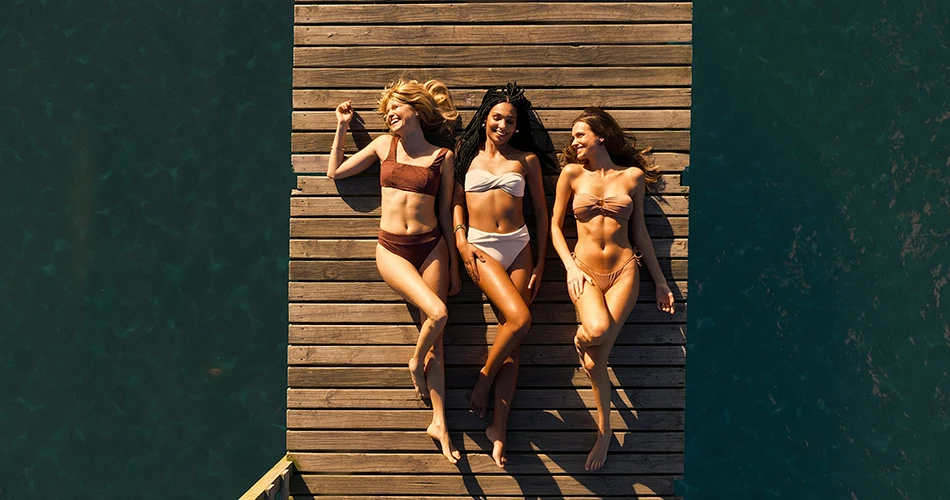
When a garment is worn in the sun, at the beach, on a trail, during a run, or throughout an outdoor routine, protection becomes part of the comfort and wearing experience. Today, UV Protection in sportswear and beachwear garments is no longer a differentiator. As more brands adopt this requirement, it has become an expected standard among consumers.
To stay competitive, manufacturers and brands need to incorporate this technology strategically and, above all, work with a reliable supplier capable of delivering real performance and consistency across production batches.
In this article, you will learn what UV 50+ technology is, how it works in fabrics, the practical benefits it provides, and what to consider when selecting the right fabric base with confidence.
What Is UV 50+ Technology in Fabrics?
UV 50+ technology indicates that the fabric has been developed to provide a high level of protection against ultraviolet radiation. Rather than relying solely on covering the skin, the fabric is engineered and/or finished to reduce the passage of UV rays through its construction.
In practice, this means that when wearing the garment, you add a layer of protection that works throughout use, helping reduce exposure to UVA and UVB rays during outdoor activities.
How Does UV 50+ Technology Work in Practice?
UV Protection in fabrics is built into the fabric engineering; it is not an extra feature added by chance. In practice, it results from the combination of three key factors:
1) Fabric Construction
The tighter and denser the construction, the smaller the spaces between yarns. This reduces light transmission and makes it more difficult for UV rays to penetrate. As a result, two fabrics with the same composition may deliver very different levels of protection depending on how they are knitted.
2) Yarn Type and Structure
The selected yarn and fabric structure influence how effectively the fabric covers the body. Yarns with specific characteristics and constructions that enhance coverage—without necessarily increasing fabric weight—help improve UV blocking performance and maintain stability during wear.
3) Color and Finishes
Color also plays a role. In general, darker shades tend to block more UV radiation than lighter shades, and certain functional finishes can further reinforce protection depending on the technology applied and validated through testing.
The key point is that UV protection is not about making the fabric thicker. A fabric can be lightweight, comfortable, and still provide high UV protection when its construction and finishing processes are designed for that purpose.
When classified as UV 50+, a fabric can block up to 98% of UVA and UVB rays, offering greater protection for sportswear and beachwear garments used outdoors.
Benefits of UV 50+ Technology for Apparel and Collections
When a collection includes fabrics with UV 50+ technology, brands gain stronger product positioning, enhanced value perception, and a compelling commercial argument. End users gain greater comfort and confidence in everyday wear.
Benefits that become evident in real-world use include:
- UV Protection integrated into the garment and not diminished by washing, as it is part of the fabric engineering;
- Greater confidence during outdoor activities;
- Comfort during extended periods of sun exposure;
- Versatility for different garment constructions and designs;
- Higher perceived value in the final product.
For apparel manufacturers, the benefits are also strategic. A garment with clear and communicable technology is better positioned in the market, reduces expectation gaps, and strengthens collection differentiation.
UV 50+ Technology Is Different from Conventional Sun Protection
This is an important point when communicating the technology. Sunscreen is a product applied to the skin and requires reapplication. UV 50+ technology, on the other hand, is a characteristic of the fabric itself and remains active while the garment is being worn.
This does not make clothing a substitute for other sun-care practices, but it does enhance the user experience. The garment becomes a constant ally, particularly during periods of extended sun exposure and active outdoor routines.
Which Garments Benefit Most from UV 50+ Technology?
UV 50+ technology is especially relevant in segments where sun exposure is part of the intended use. Examples include:
- Beachwear, such as bikinis, swimsuits, cover-ups, and layering pieces;
- Sportswear, including T-shirts, tops, lightweight long-sleeve garments, shorts, and apparel designed for outdoor training;
- Lifewear, focused on well-being and outdoor lifestyles, such as lightweight sets and travel garments.
If a collection is built around summer, movement, and outdoor living, UV Protection can become a direct product differentiator.
What to Consider When Choosing a Fabric with UV 50+ Technology
To make the right choice, it is important to look beyond the UV 50+ label itself. The final result depends on the fabric, garment application, and intended use. For design, development, and sourcing teams, the following checklist supports more informed decisions.
Before selecting a fabric base, consider:
- The garment’s intended application, including exposure to sunlight, water, sweat, and friction;
- Coverage and opacity, particularly for light colors and fitted garments;
- Thermal comfort, because effective protection should not compromise wearability;
- Stretch and recovery, to maintain fit and stability during use;
- Durability, to sustain performance throughout repeated washing and intensive use.
How to Communicate UV 50+ Without Overpromising
From a brand perspective, communicating technology requires clarity. Avoid exaggerated claims and keep messaging aligned with what the garment truly delivers in actual use.
Effective communication approaches include:
- UV 50+ Protection for outdoor activities;
- More comfort and confidence under the sun;
- Technology engineered into the fabric for real-world performance;
- Garments designed for movement and exposure.
This helps educate consumers and strengthens product credibility.
Where Texneo Fits into the UV 50+ Conversation
Today, UV 50+ technology is no longer a differentiator; it has become a requirement in many beachwear and sportswear collections. The real difference lies in how the fabric delivers that protection while maintaining comfort, coverage, and durability throughout continuous use.
At Texneo, you will find more than 110 fabrics with UV 50+ Protection in the portfolio, offering solutions for Lifewear, Sportswear, and Beachwear. These options vary in construction, hand feel, coverage, and stretch to meet different garment designs and applications.
These fabric bases combine carefully selected raw materials with advanced fabric engineering to achieve high levels of protection. In practice, this helps brands and manufacturers work with reliable fabrics that maintain performance throughout wear and washing, when proper care instructions are followed, and deliver consistency for garments exposed to sunlight, sweat, and water.
Looking for the ideal UV 50+ fabric for your collection? Explore the Texneo portfolio and connect with our team to identify the best solutions for your application.
 Go back